
Plus Why Meltdowns Happen
Meltdowns happen; it’s just a fact of growing up. But children with trauma are more prone to having meltdowns when they become dysregulated. As a parent, caregiver, or teacher, using the right de-escalation techniques can diffuse the situation and help create a more positive and healing environment.
The Why Behind Meltdowns
We’ve heard how many parents feel hopeless when it comes to meltdowns. They sometimes seem like they come out of nowhere and it feels like you can’t find a way to calm your child down.
But the truth is, a meltdown is often an indicator that something bigger is going on, such as anxiety, depression, stress, overstimulation, or disorders such as ADHD. For some kids, the reason behind the outburst can be hard to pinpoint, taking longer to get to the why.
This can be frustrating and concerning for adults as they try to calm a child down. But there are some techniques that actually work, helping to manage meltdowns and tantrums in your home or classroom.
How to De-Escalate a Meltdown
- Don’t yell. If your child is screaming, don’t yell over them to be heard; this only escalates the situation by further dysregulating your child. Instead, speak calmly as this models regulated behavior to your child.
- Avoid the word “no.” When a child is in the middle of a temper tantrum, the word ‘no’ can be very triggering.
- Don’t try to reason. At least don’t try to do this right away. It can be tempting, but when a child is in the middle of a meltdown, they aren’t functioning in higher regions of the brain that deal with reasoning. You need to instead meet your child where they are by establishing a safe, positive relationship with them and validating their feelings.
- Utilize silence. The middle of a meltdown is not the time for a life lesson. So stay calm and try not to do too much talking while your kid is having a meltdown.
- Validate feelings, but not actions. You don’t have to be okay with your kid screaming and throwing things to recognize that it’s okay for them to be stressed or anxious. This is a good time to model communication about feelings. Acknowledge your child’s feelings to help them feel that you understand them.
- Remain calm and level. It’s easier said than done, but if you show you are frustrated, it will only make your child feel worse.
- Be aware of your body language. You may be inclined to bring them to a different room to help them calm down, and this is fine, just be mindful that you aren’t coming off as threatening when doing so. Respect their space and gently guide them to a safer room. Suggest to your child that you move to a different room together that is more calm for them to experience their feelings while being mindful of their personal space.
- Get down on their level. It can sometimes help to sit on the floor with them and just be there.
- Use a self-regulation technique. These activities help to calm your child and get them using higher regions of their brain. This can be something like deep breathing skills, drinking water, hugging a stuffed animal, using a fidget toy, or taking a short walk.
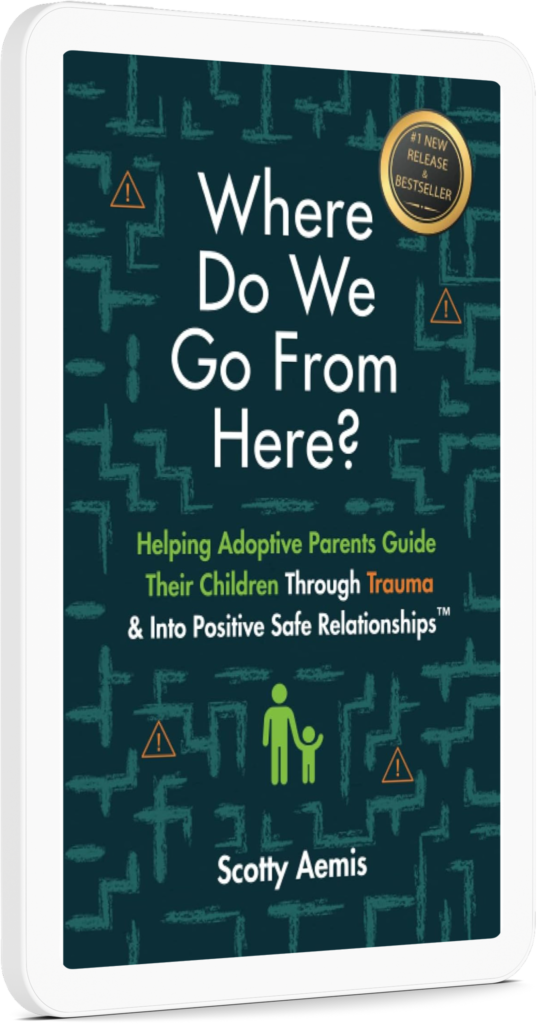
- Follow the three Rs to help your child regulate. The Three Rs are regulate, relate, and reason. Check out my blog post or my book, “Where Do We Go From Here,” to learn more about the Three Rs.
- Don’t judge. Your child needs to know that you are there for them, even if you don’t condone the way they reacted to their big feelings.
- Avoid making demands. While your child is in the middle of a temper tantrum, avoid making demands of them. Allow them the time and space to calm down. Only then can you reason with them.
- Use reflective listening. While listening to your child, take in what they are saying, instead of being distracted by thinking about what you will say next. Children can reveal some surprising insights and information when you take the time to truly listen to them!
Final Thoughts
Remember that your kid’s meltdowns aren’t just hard for you as an adult, but they are hard on your child too. Always approach the situation with empathy. Model calm, regulated behavior to help diffuse the situation, help them self-regulate using specific techniques, and only then can you begin to reason with them. Always validate their feelings and truly listen to what your child is saying. If you are still struggling with getting a handle on meltdowns, be sure to speak to your child’s counselor or therapist for strategies that are unique to the child’s needs.